
Add biologics to your practice. Step by step.
Webinar, hands-on training, verification, then patients and injury cases matched to you.
Live on Zoom, Tuesdays at 12:00 PM ET.
- 47 protocols
- Orthopedics, pain, wound care
- Same-day delivery
- Stem cells, South Florida
- 50 state guides
- Who may do what, where
- Weekly live webinar
- Hands-on training
- NPI-verified providers
- Same-day stem cells in South Florida
- 50 state compliance guides
- A private forum for members
- Patient and injury-case inquiries
Why biologics? Why now?
Patients are already asking
People search for answers about stem cells every day. They deserve an honest one, and a careful provider to talk to.
The rules are strict, and enforced
FDA and FTC act against clinics that overpromise. A study framework, real consent and accurate marketing protect your patients and your licence.
The field needs better data
Most uses are still investigational. Tracking outcomes under a protocol is how that changes.
The step-by-step model.
Six steps, in order.


The live webinar.
Tuesdays at 12:00 PM ET, live on Zoom.
- Live, every weekTopic-driven sessions with time for questions.
- Built for cliniciansBiologics, clinical protocols and practice management.
- No commitmentWatch first. Decide about training afterwards.

Live, hands-on training.
For your physicians and your staff.
- At your officeOnsite, around your own workflow.
- At a training locationAlongside other practices.

What verification checks.
All eight are required.
- Active, unrestricted licence
- Within your state’s scope of practice
- Completed live training
- IRB-reviewed protocol on file
- Documented product sourcing
- Written informed consent
- Accurate advertising
- Outcome and safety reporting
Treat inside a study, not outside one.
Most biologic uses are investigational. A reviewed protocol protects your patients.
- Protocol
- IRB review
- Consent documents
- Outcome tracking
- Safety reporting
IRB approval is not FDA authorisation. Culture-expanded and other more-than-minimally-manipulated cell products generally need an IND before use in people.

Patient inquiries, matched to you.
From two sources, both screened before they reach you.
- Our patient sitePeople who complete screening on dostemcellswork.com and ask to be matched.
- Personal injury casesInjured patients, and the attorneys representing them, who need a treating provider.
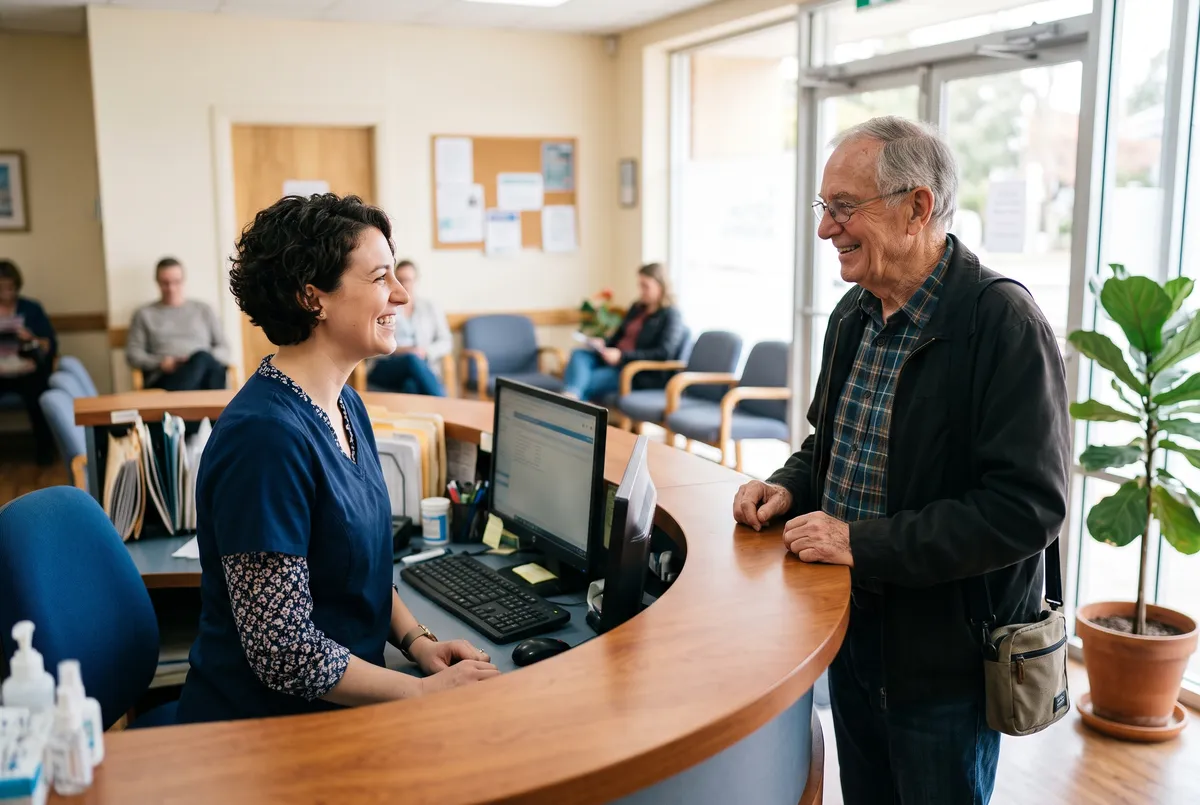
Screened first
Consent to contact
Matched by state and condition
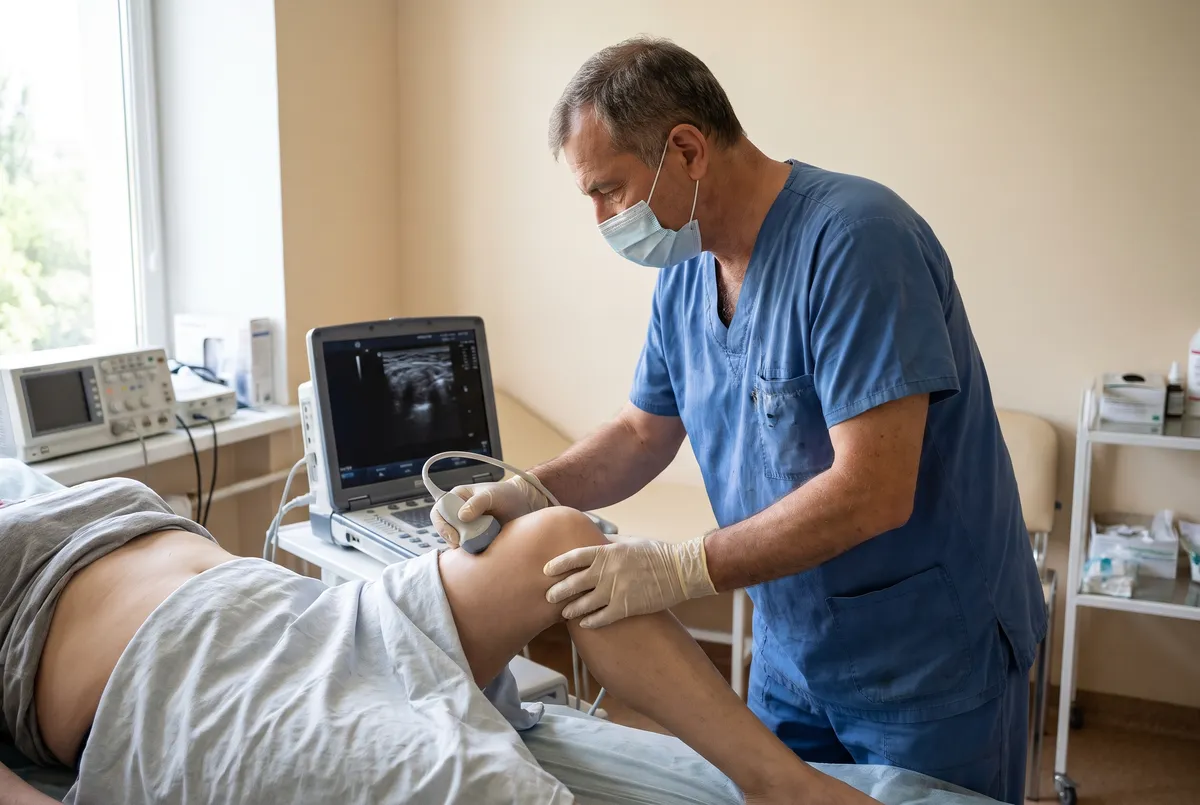
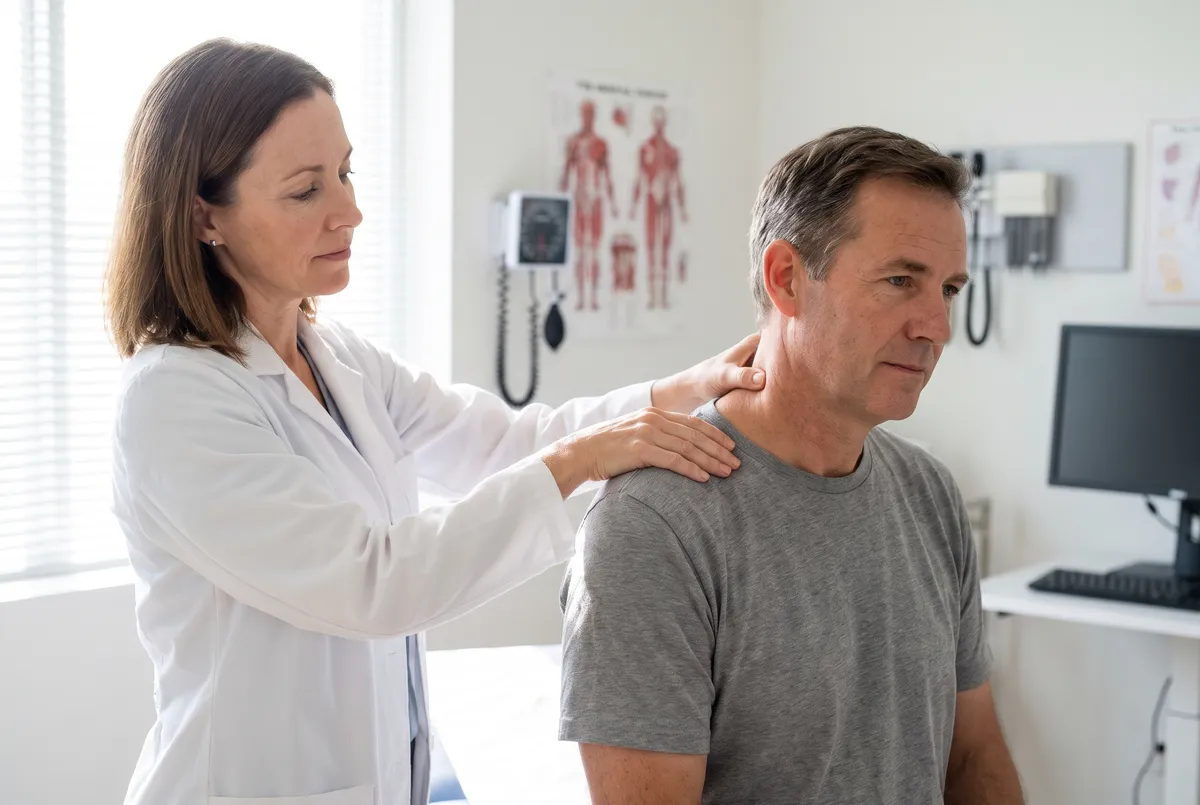
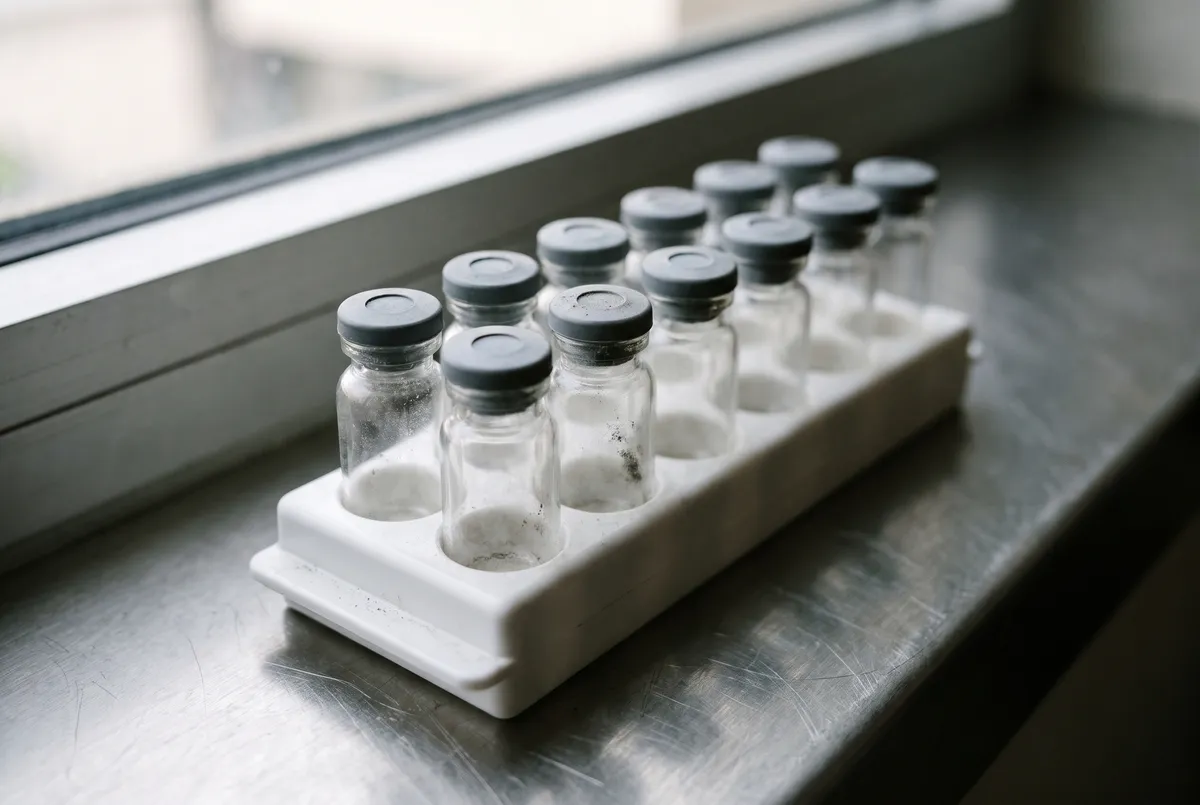
Integrated bundles.
Stem cells or exosomes paired with a three-phase peptide stack, by indication.
- PrepareA peptide stack before treatment to lower inflammation and ready the tissue.
- TreatStem cells or exosomes, given with supporting peptides.
- MaintainA follow-on stack to sustain the response over the next months.
Learn the basics. Free.
51 short guides. A few minutes each.
PRP · 3 min read
What is platelet-rich plasma (PRP)?
PRP is a concentrate of a patient's own platelets in plasma. Here is what it is, what makes it rich, where it came from and where it sits among other treatments.
Start the lessonPRP · 3 min read
Platelet biology: what clinicians need to know for PRP
Platelets are small cell fragments that sense injury and release stored growth factors. This guide covers their structure, activation and contents.
Start the lessonExosome · 3 min read
What are exosomes?
Exosomes are nanoscale vesicles that cells release to carry proteins, RNA and lipids to other cells. Here is what they are, how they form and where they stand with the FDA.
Start the lessonExosome · 3 min read
How were exosomes discovered?
Exosomes were first seen in 1983 and dismissed as cell waste for over a decade. Two later findings changed that view and shaped the questions the field still asks.
Start the lessonStem cell · 3 min read
What is a stem cell?
Stem cells are defined by two properties: self-renewal and the capacity to differentiate. Here is what that means and where clinical use stands.
Start the lessonStem cell · 3 min read
Stem cell potency explained: totipotent, pluripotent, multipotent and unipotent
Potency describes how many cell types a stem cell can become. This guide covers the four levels and where MSCs sit among them.
Start the lessonBiologics regulations in your state.
Who may administer, and which agencies to check.
- Alabama
- Alaska
- Arizona
- Arkansas
- California
- Colorado
- Connecticut
- Delaware
- Florida
- Georgia
- Hawaii
- Idaho
- Illinois
- Indiana
- Iowa
- Kansas
- Kentucky
- Louisiana
- Maine
- Maryland
- Massachusetts
- Michigan
- Minnesota
- Mississippi
- Missouri
- Montana
- Nebraska
- Nevada
- New Hampshire
- New Jersey
- New Mexico
- New York
- North Carolina
- North Dakota
- Ohio
- Oklahoma
- Oregon
- Pennsylvania
- Rhode Island
- South Carolina
- South Dakota
- Tennessee
- Texas
- Utah
- Vermont
- Virginia
- Washington
- West Virginia
- Wisconsin
- Wyoming
Common questions.
Start with the webinar.
Live on Zoom, Tuesdays at 12:00 PM ET. See how the model works before you commit to anything.